
English| EUR
Suggested for you
More currencies
Choose a language
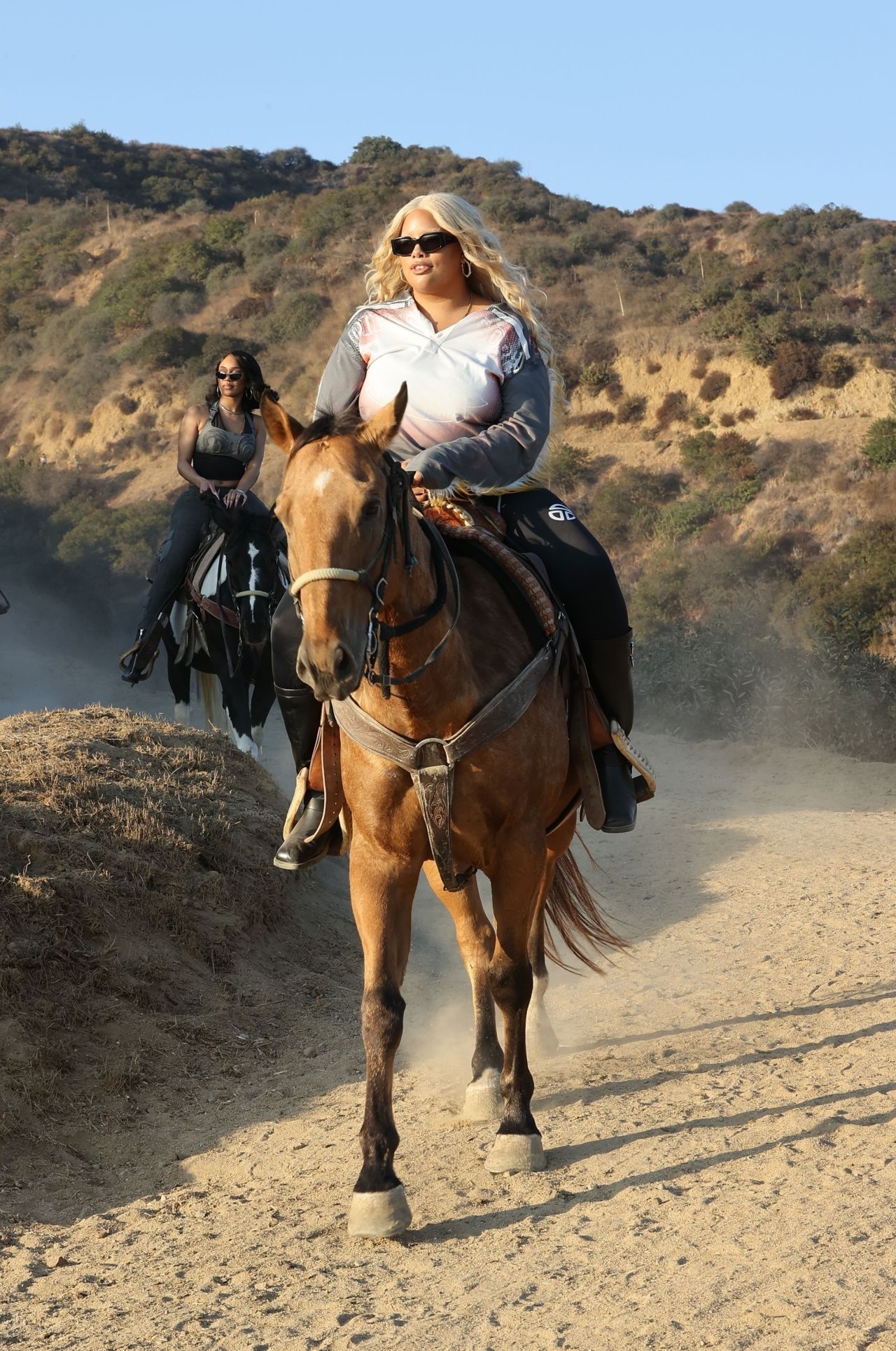
Trail riding in the Hollywood Hills accommodates riders from complete beginners to seasoned equestrians, but understanding the distinctions between skill categories helps you choose the right experience. Each level corresponds to specific trail terrain, horse temperament, and the degree of independent control expected. Matching your actual riding background to the correct category ensures both safety and enjoyment.
Quick answer
Horseback riding experience levels in Hollywood Hills are typically classified into three categories: beginner (no prior experience required, walk-only pace on gentle terrain), intermediate (basic riding skills, comfortable at walk and trot, can handle moderate slopes), and advanced (experienced riders who can canter, manage steep trails, and control horses independently). Most operations use a brief questionnaire to assess your background before assigning you to a trail group and horse suitable for your skill.
The Hollywood Hills trail system sees more than 40,000 riders annually, yet fewer than 15 percent accurately self-assess their riding ability when booking. Operations at 3400 N Beachwood Dr classify riders using a three-tier framework that weighs both technical skill and comfort with the specific demands of mountain terrain. Beginner-level riders include anyone who has never ridden or has ridden fewer than five times in their life. These groups stay on wide, groomed fire roads with minimal elevation change, maintain a walking pace throughout, and ride horses selected for calm temperament and responsiveness to voice commands. Guides lead from the front and sweep from the rear, with no expectation that riders will steer independently. The one-hour beginner loop covers approximately 1.2 miles and ascends 120 feet, offering views toward the Hollywood Sign without technical challenge. Riders who struggle with mounting, holding reins, or sitting the saddle's motion fit this category regardless of confidence level. Intermediate riders have logged at least ten rides, demonstrate secure posture at walk and trot, and can post or sit a trot without losing balance. This tier accesses narrower single-track trails with moderate grades, occasional rocky sections, and tighter turns that require active steering. Horses assigned to intermediate groups respond to rein cues and leg pressure but still tolerate inconsistent signals. The two-hour intermediate route climbs 340 feet over 3.8 miles and includes canopy sections where low branches demand ducking and awareness. Riders who freeze when a horse breaks into an unplanned trot or cannot recover from a slight spook do not qualify as intermediate, even if they have trail time. Advanced riders maintain an independent seat across all gaits, including canter, and have completed at least 25 trail rides or equivalent arena training. These groups tackle steep descents, navigate brush-lined paths where leg contact with vegetation is constant, and ride horses with more forward energy and sensitivity to aids. Guides still lead but expect riders to manage spacing, pace transitions, and obstacle navigation without verbal prompting. The three-hour advanced loop incorporates 620 feet of elevation gain, water crossings during wet months, and sections where the trail narrows to 24 inches with drop-offs. Riders who cannot execute an emergency stop, lack core stability during rapid descents, or require constant instruction revert to intermediate status. Misrepresenting your horseback riding experience levels creates safety issues for both you and your group. A rider placed above their skill slows the group, increases horse stress, and risks injury on terrain beyond their control threshold. Conversely, experienced equestrians placed in beginner groups report frustration with the limited route and walking-only restriction. Operations conduct a brief in-person assessment before departure, asking riders to demonstrate mounting, rein hold, and response to basic cues, which sometimes results in reassignment regardless of the tier booked.
“Operations conduct a brief in-person assessment before departure, asking riders to demonstrate mounting, rein hold, and response to basic cues, which sometimes results in reassignment regardless of the tier booked.”
Matching your skill level to the right trail ride ensures both safety and enjoyment on Hollywood Hills terrain. The assessment takes about two minutes during your initial phone inquiry or facility check-in.
Beginner riders should be comfortable mounting from a block and sitting upright in the saddle without assistance. Many first-time riders overestimate their balance—staff will evaluate your posture before assigning a horse.
Intermediate riders can execute basic walk-to-stop transitions and gentle turns using reins. Beginners often pull too hard or hold reins too loosely, which staff correct during the pre-ride orientation.
Standard Hollywood Hills rides last 60-90 minutes at walking pace with minimal trotting. Riders with lower back issues or limited core strength should mention this when booking, as prolonged sitting affects comfort on inclines.
Riders over 220 lbs, pregnant guests, and those with recent injuries must disclose these conditions by phone before arrival. The facility matches horse size and temperament to each rider's physical profile for safety.
Tell staff your total hours in the saddle and when you last rode—a lesson five years ago qualifies as beginner, not intermediate. Honest self-assessment prevents mismatched trail assignments that create risk for both rider and horse.
The best arrival window is 09:00–16:00, as early morning provides cooler temperatures and superior light for trail photography. Selecting these hours ensures optimal visibility for riders of all experience levels to navigate the terrain comfortably.
—
Lower traffic levels allow for a more focused experience for novice riders. Mid-week sessions provide more space on the trails.
Mild temperatures 60-75°F
Spring offers clear visibility and comfortable conditions for extended trail riding. The landscape remains vibrant during this period.
Cool temperatures 65-80°F
Autumn provides consistent weather and dry trails. This season is suitable for riders seeking stable ground conditions.
Verdict: The best time to visit is during weekday mornings in April or October, arriving at 09:00 to utilize the cooler temperatures and optimal lighting.
Trail riding in the Hollywood Hills requires adherence to safety protocols that protect both riders and horses. Following these guidelines ensures a secure experience regardless of your skill level.
The facility operates on a consistent daily schedule throughout the week to accommodate riders of various experience levels.
Facility access is provided at no cost, though all trail rides require pre-arranged booking fees. These fees are determined based on the specific trail ride selected rather than rider experience levels.
Verdict: Visitors pay 0 USD to enter the facility, with final costs for horseback riding determined by the specific trail booking selected.
The facility is located at 3400 N Beachwood Dr, Los Angeles, CA 90068, USA. The most direct approach is by car via North Beachwood Drive, which winds through the Hollywood Hills to the ranch entrance.
Follow N Beachwood Dr north until it ends at the ranch
B-Line to Hollywood/Vine Station, then taxi
Ride-share directly to 3400 N Beachwood Dr
Parking is limited at the end of the road, so arrive between 09:00 and 16:00 to ensure easier access. Follow all posted signage carefully as you navigate the residential sections of Beachwood Canyon.
Everything you need to know about horseback riding experience levels
Most trail rides in the Hollywood Hills are designed to be beginner-friendly, meaning you do not need prior training. Instructors provide basic guidance before you depart to ensure everyone feels comfortable on the trail. You do not need to be an expert to enjoy the experience.
While age requirements exist, most operators welcome young riders regardless of their skill base. It is recommended to check specific age policies directly with the facility before booking. Guided rides are generally paced slowly to accommodate riders of various ages.
Beginners are absolutely welcome to join a Hollywood Hills equestrian excursion. The horses used for these guided outings are typically well-trained and accustomed to carrying novice guests through the terrain. You will receive a brief orientation before beginning your journey.
Trail guides assess the group's general comfort and pace the ride accordingly. You do not choose your own route, as the guide ensures the path matches the collective capability of the participants. This focus on group safety maintains a steady pace for everyone involved.
Regardless of your background, wear long pants and closed-toe shoes to protect your legs and feet. A hat and sunglasses are also recommended to stay comfortable while navigating the sun-drenched bridle paths. Dressing appropriately is the best way to ensure a pleasant ride.
You do not need specialized skills to view the Hollywood Sign on horseback. The routes provided by local stables are designed to offer scenic vistas to all participants regardless of their equestrian history. The focus remains on enjoying the landscape and the panoramic views.
Every rider must meet the stability requirements set by the facility to ensure the horse's welfare and your safety. While your skill level may vary, these physical parameters are strictly enforced for all guests. Please verify specific weight limits with the facility before finalizing your booking.